

By Myrtle & Mist
3 February 2026 6 min read
It is not just a trend; it is biology. Humans evolved surrounded by nature, and our nervous systems still respond to natural elements with measurable calm.
The Science of Biophilia
Research consistently shows that exposure to natural elements — plants, natural light, wood textures, flowing water — reduces cortisol levels and improves focus. A study from the University of Exeter found that employees in plant-filled offices reported fifteen per cent higher productivity than those in sterile environments.

Practical Steps
Start with light. Natural light is the single most impactful element you can maximise in any space. Next, introduce living plants — even a small cluster on a desk makes a measurable difference. Choose textures that echo the natural world: linen, wood, stone, ceramics.
Arranging Your Space
Consider flow. A room that feels cramped or cluttered triggers stress responses regardless of how many plants you add. Create clear pathways and leave breathing room between furniture groupings. Position your most-used seating to face a window or a green corner.

The Sound Dimension
Background nature sounds — rain, birdsong, flowing water — have been shown to reduce perceived stress. Even a small tabletop fountain or an open window to a garden can shift the ambient quality of a room from sterile to sanctuary.

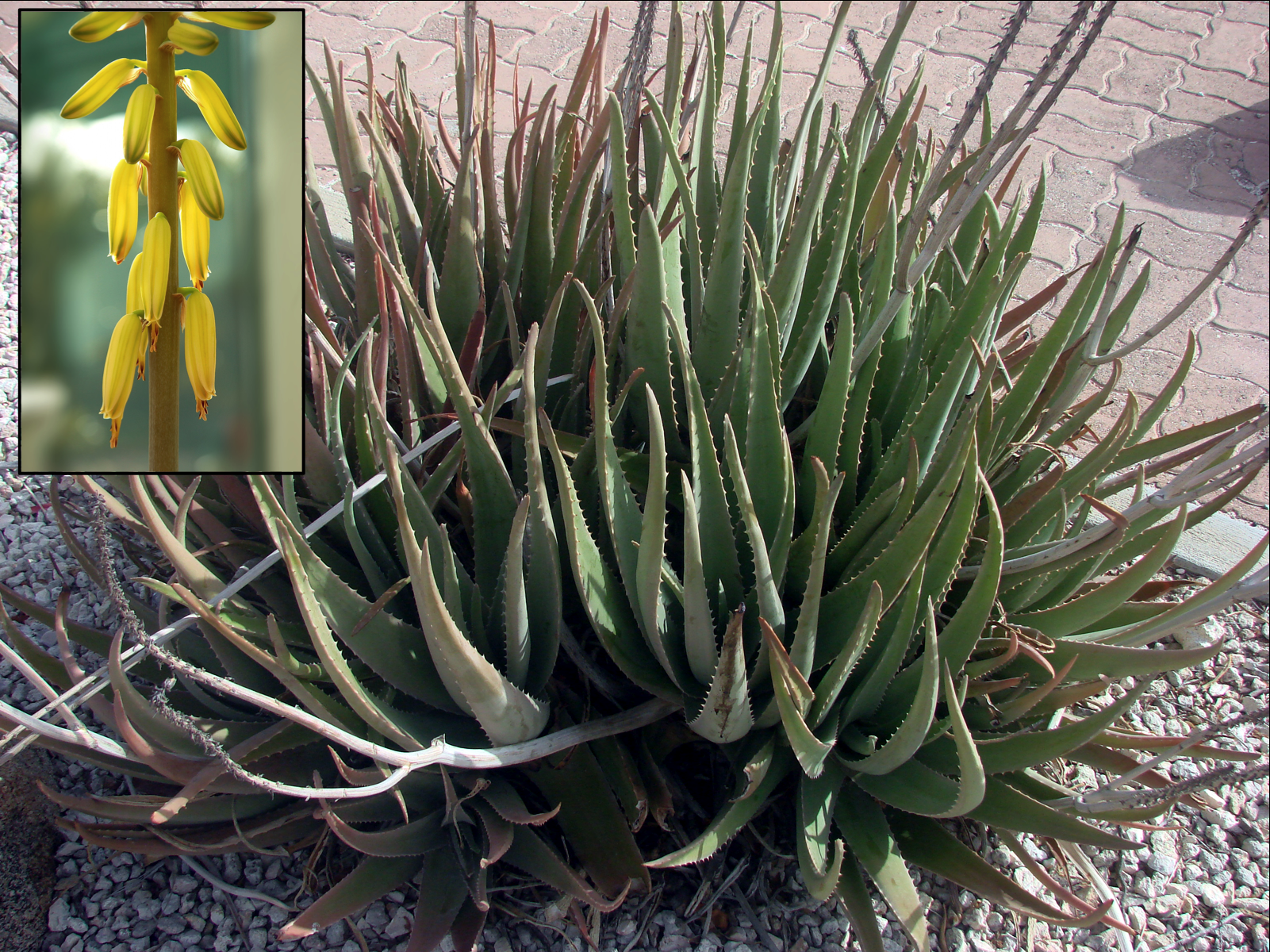
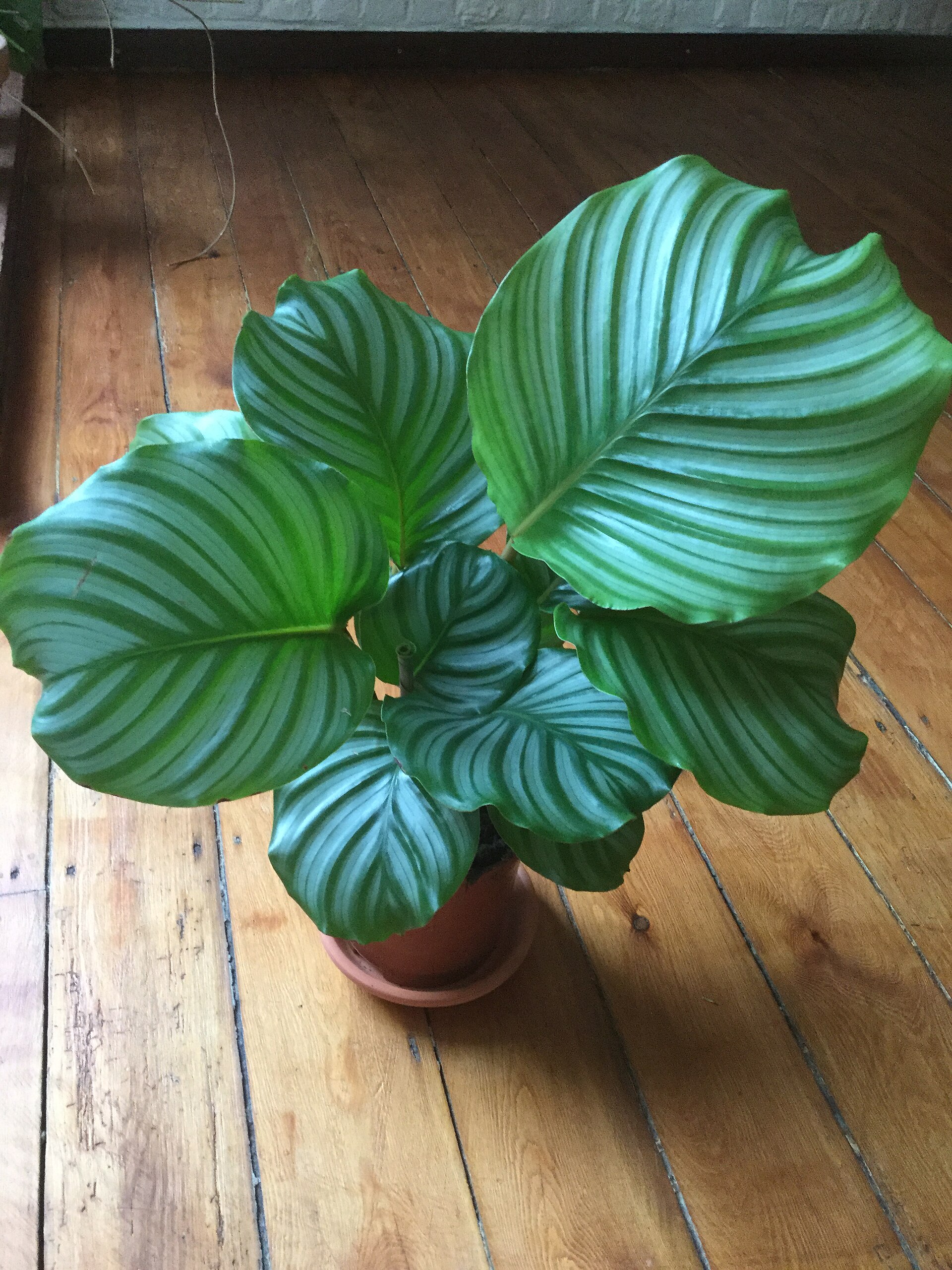
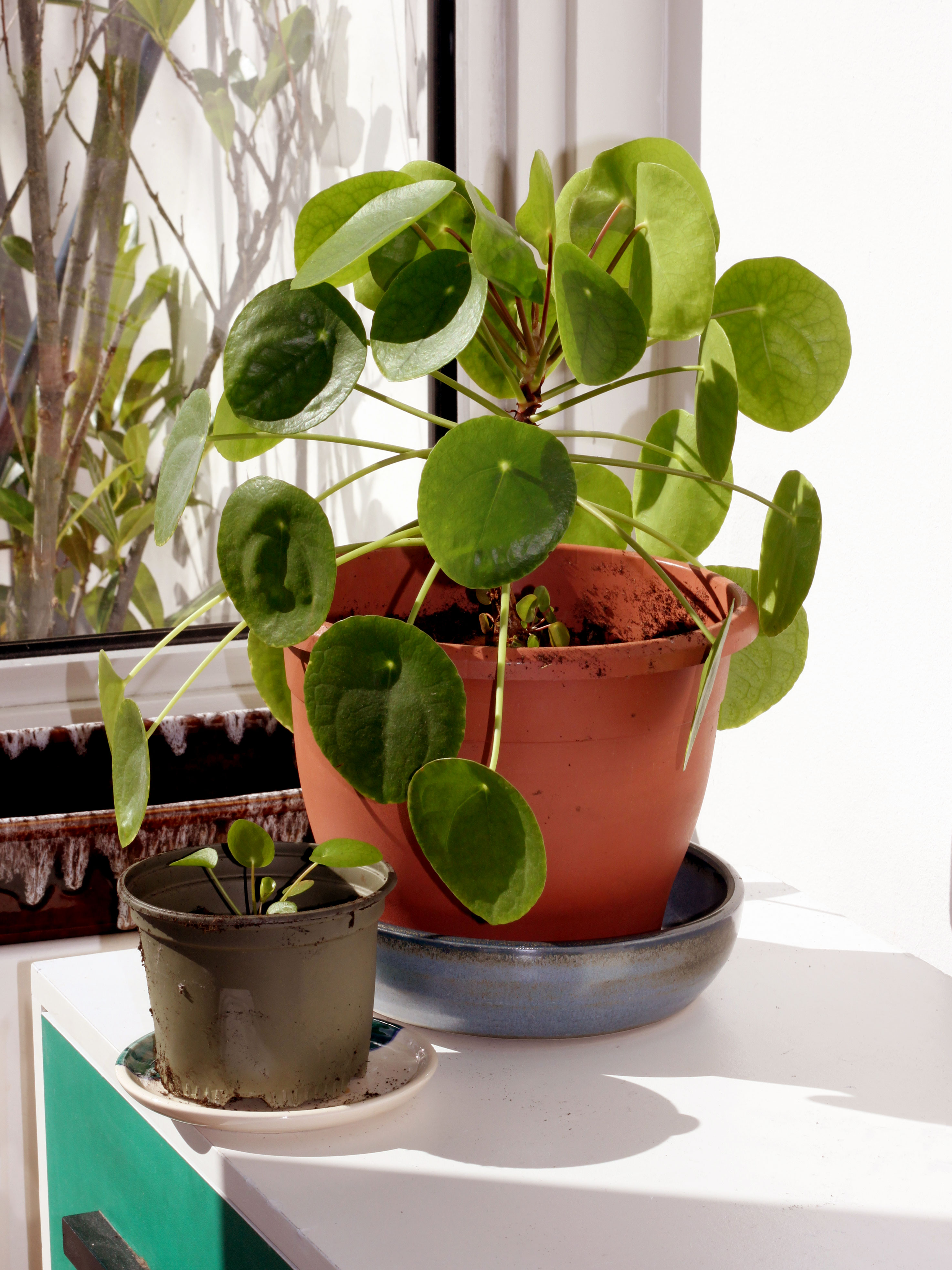
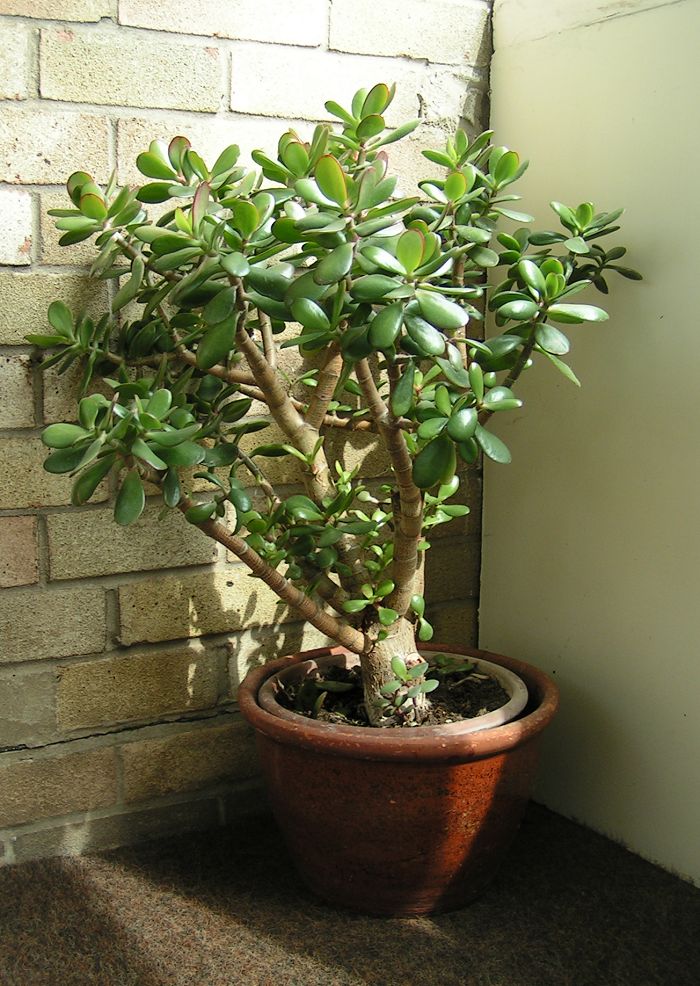
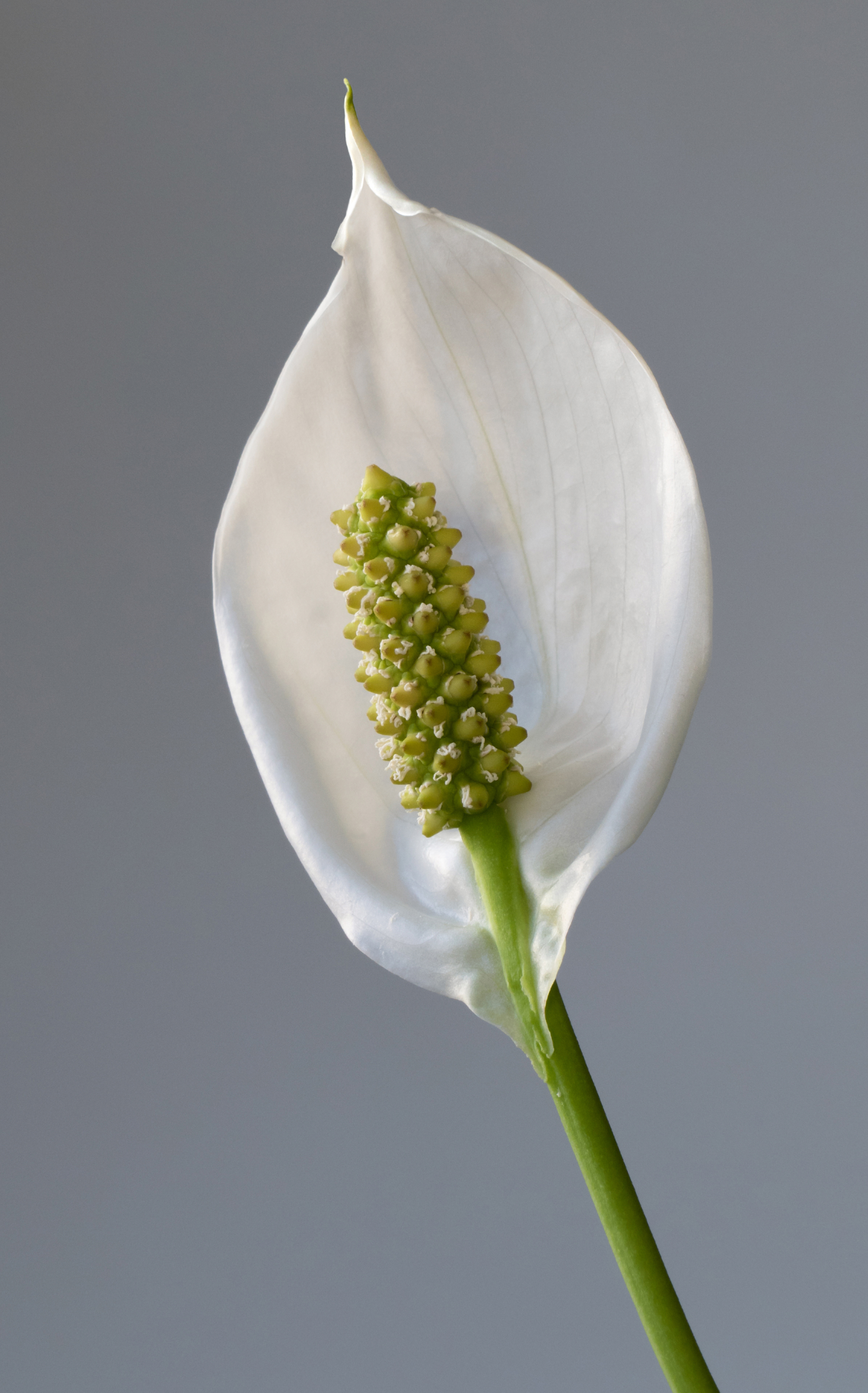
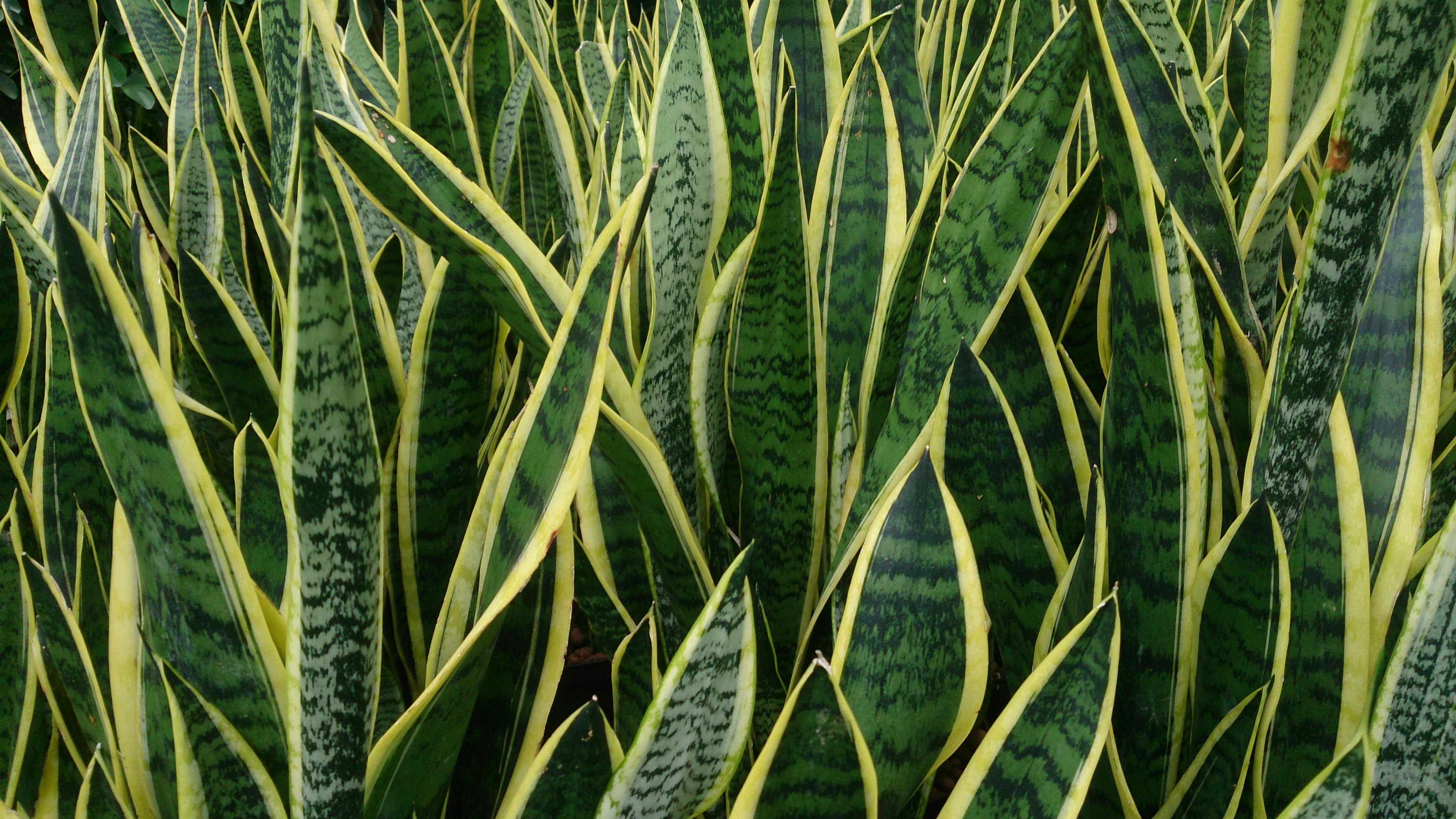
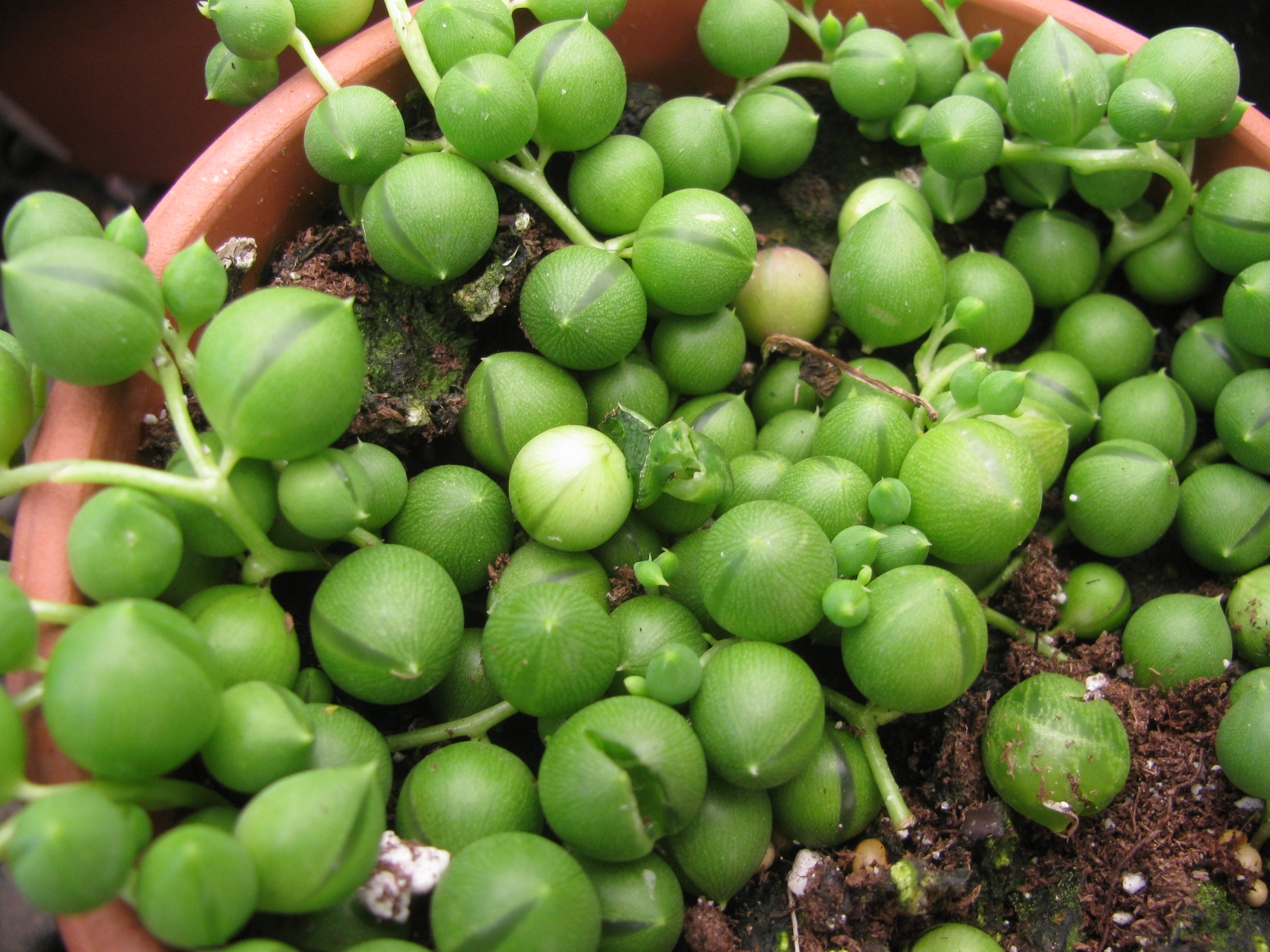
Plants this article applies to
Plants discussed in this article





Also in Mist
Explore the Mist perspective →